Decision Review System (DRS) l Decision Review System in cricket l DRS in cricket l What is the
Explained What is DRS in Cricket? DRS Rules, Meaning, Full Form and Umpire’s Call

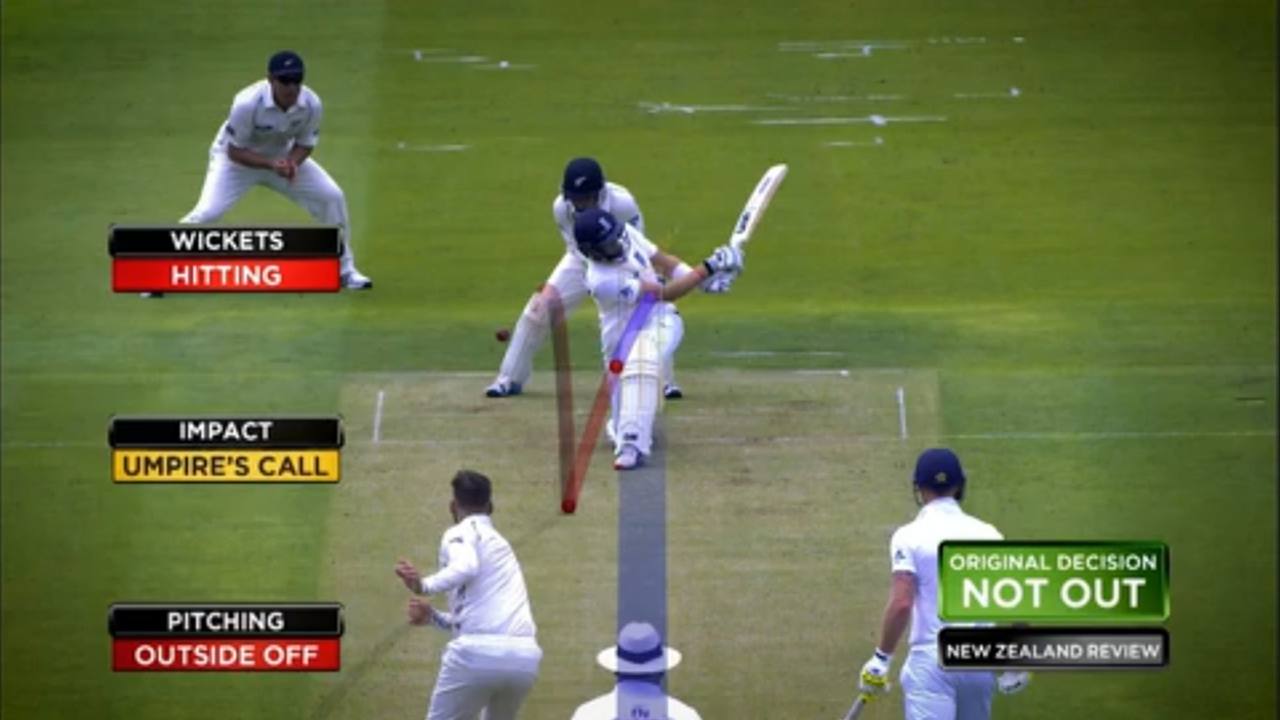
This is often referred to as DRS in cricket: By using available technology, that TV umpire can establish whether that original decision should be upheld or overturned. DRS or UDRS is an acronym which stands for (Umpire) Decision Review System. It is a slow motion TV technology-based referral process which can be used by either side in a cricket.
HOW can we change the DRS for LBWs? AakashVani Cricket Analysis YouTube

The Decision Review System ( DRS ), formerly known as the Umpire Decision Review System (UDRS), is a technology-based system used in cricket to assist the match officials in their decision-making. On-field umpires may choose to consult with the third umpire (known as an Umpire Review), and players may request that the third umpire consider a.
Decision Review System (DRS) l Decision Review System in cricket l DRS in cricket l What is the

DRS was first introduced in 2008 and could have a key role to play in the Ashes. Cricket has long embraced the use of technology to aid officiating, with the Decision Review System (DRS) a by-now.
Its Only Cricket Guides From Beginners To Advanced
The Decision Review System (DRS) in cricket allows players and umpires to use technology to review and challenge decisions. It has a history dating back to 1992 and has evolved over time. DRS utilizes ball tracking, hotspot, snickometer, and ultraedge technologies to assist umpires in making better decisions. Teams can challenge umpire decisions a limited number of times per innings, and if.
What is DRS in Cricket? Explanation for Beginners Its Only Cricket

The Decision Review System, also called DRS in cricket, is a method in which either of the teams can get the third umpire to review the decision made by the on-field umpires. Earlier called the Umpire Decision Review System, DRS in cricket uses technology to aid umpires in making an accurate decision after a player review has been taken.
How Many DRS in IPL What is Dhoni Review System in Cricket? The SportsRush
And thus, in 2008, the Decision Review System (DRS) - where players could directly review an umpire's call - was trialled for the first time during a Test series between Sri Lanka and India. From there, after a long-drawn process, the player DRS has become an integral part of international cricket with standard rules and implementation.
What is a DRS in Cricket?

Decision Review System explained in a simple way including 'Umpire's call'.Like our work? Consider supporting us through Patreon.https://www.patreon.com/thec.
DRS in Cricket DRS Rules, Full form, and Umpire's Call
But Sri Lanka and India agreed. The Umpire Decision Review System (popular as DRS) made its debut on this day in 2008 at SSC, Colombo. Debut. India's skipper, Anil Kumble was the first captain to use it when the umpire turned down Harbhajan Singh's lbw appeal against the left-handed opener, Malinda Warnapura.
What is DRS in cricket? All You Need to Know about the review process

Cricket is a sport that relies on accurate decision-making, and to ensure fairness, the Decision Review System (DRS) was introduced. In this comprehensive guide, we will explore what DRS is, how it works, its impact on the game, and the controversy surrounding its implementation.
What is DRS in Cricket? New Rules and Methods Used
Cricket's football. A timeline of events and decisions that has affected the implementation of the Decision Review System (DRS) ESPNcricinfo staff. 25-Jun-2012. There has been a lot of back and.
What is DRS in Cricket? New Rules and Methods Used

Explaining the decision review system. The Decision Review System, or the DRS in cricket, is a technology-based system introduced in cricket to improve the accuracy of decision-making during matches. The purpose of the DRS is to assist on-field umpires in making transparent decisions and remove any errors that they might have committed when.
Is DRS good for Cricket? Is it not? Who's to decide? Well, some thoughts!
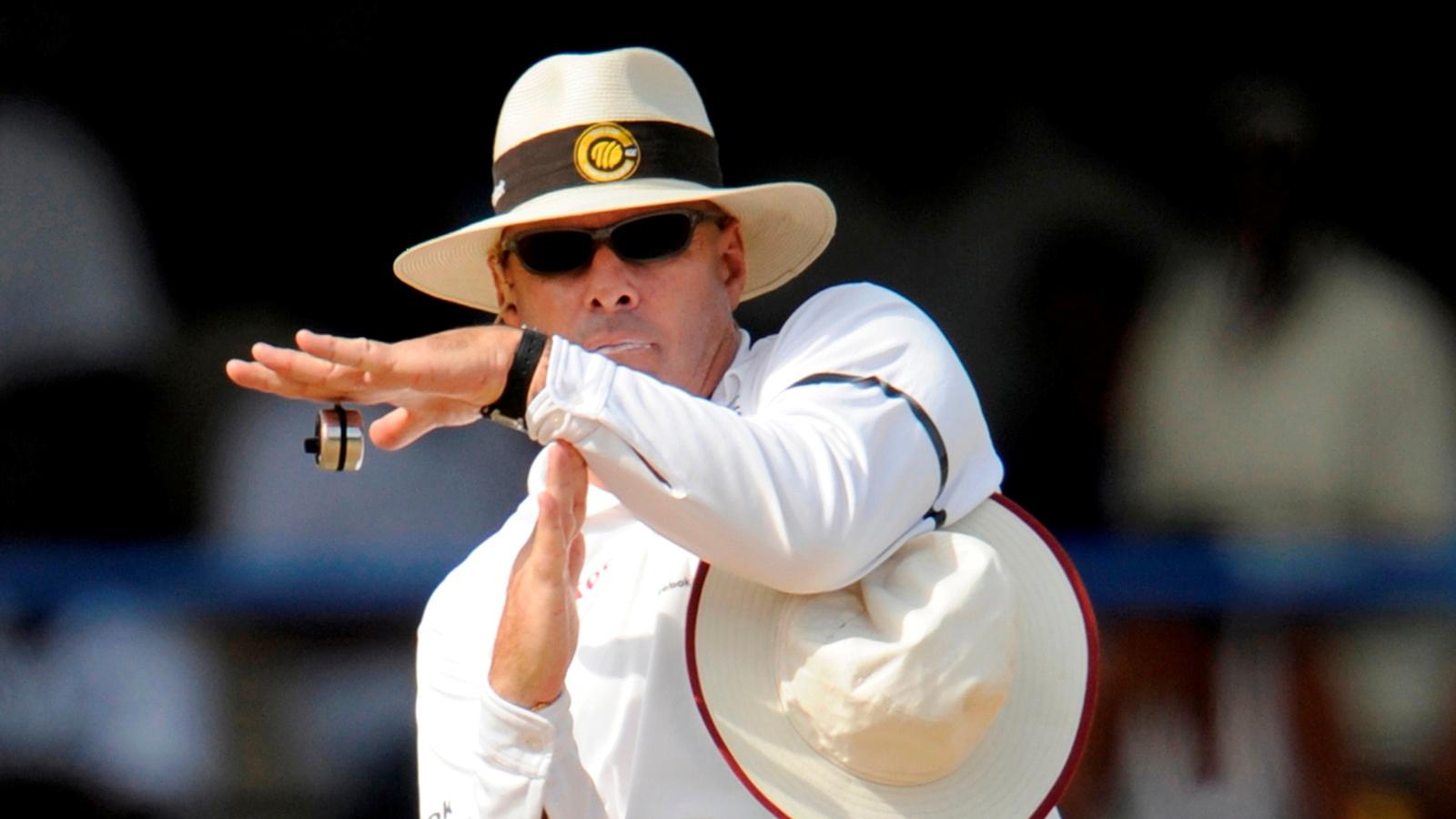
Decision Review System (DRS) The Decision Review System (DRS) is a technology-based process for assisting the match officials with their decision-making. On-field umpires may consult with the third umpire (an Umpire Review) and players may request that the third umpire consider a decision of the on-field umpires (a Player Review).
DRS to be used in men's T20 World Cup for the first time Guyana Chronicle
The next significant step in moving towards a game with fewer umpiring errors came with the introduction of the Decision Review System (DRS), first tested in 2008 and launched in 2009. Under DRS.
The International Cricket Council’s (ICC) cricket committee has made changes to the way lbws
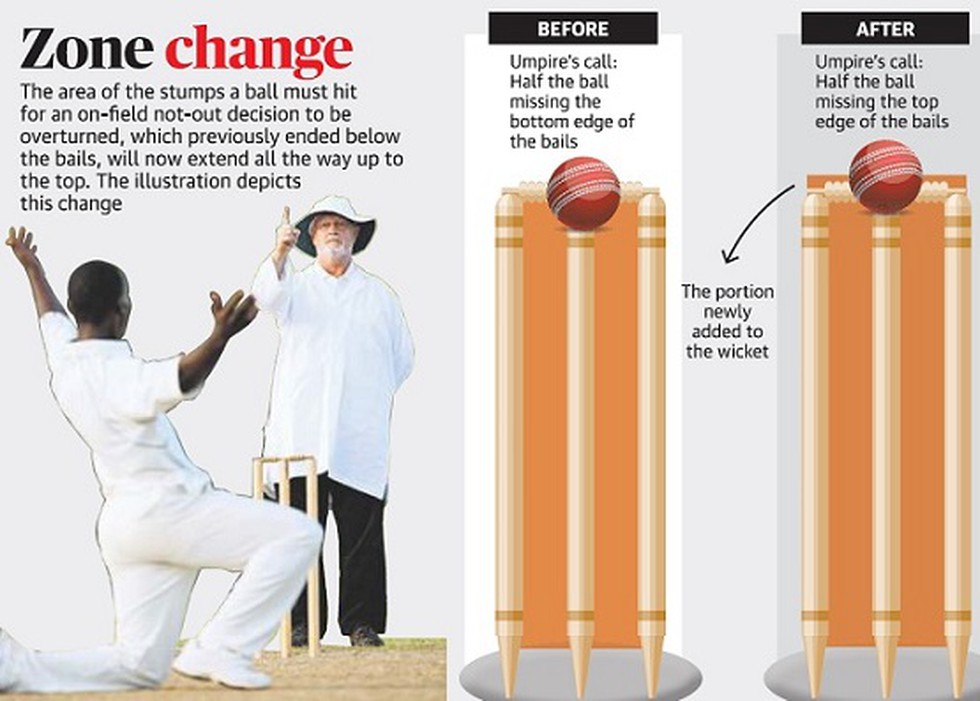
What is DRS in cricket? Decision Review System, or DRS in cricket, is a technology-based review system that was established in 2008 to assist the on-field umpires. The main idea was to get the result with utmost accuracy and transparency. The first-ever match to be played with DRS was India's Test series against Sri Lanka in 2008, with.
Is the Umpire's call really of that much value in a DRS review?

DRS is the acronym for 'Decision Review System' which is a technology-based system that allows a player to review the on-field umpire's decision if he or she thinks that the on-field umpire has given the wrong decision. So the DRS basically helps or assists the on-field umpires to make the correct or accurate decision with the help of.
What is DRS in cricket All rules, umpire's call explained Sportstar
DRS Full Form is "Decision Review System". The Decision Review System or DRS is a digital technology-based process used by either side in a cricket match to assist either the umpires or referees in their decisions. While on-field Test match umpires have been able to refer some decisions to a third umpire since November 1992, the formal DRS.
.