Venus Fly Trap Care How To Grow A Venus Fly Trap
Feeding Giant Spider to Venus Flytrap YouTube

After closing and devouring several insects, each individual trap will die and fall off. Most Venus flytraps are relatively small, growing only four to eight inches tall with the exception of the long stalks the blossoms form on, which can be about 12 inches in height. The traps are typically three-quarters of an inch to one inch long.
Venus fly trap a photo on Flickriver

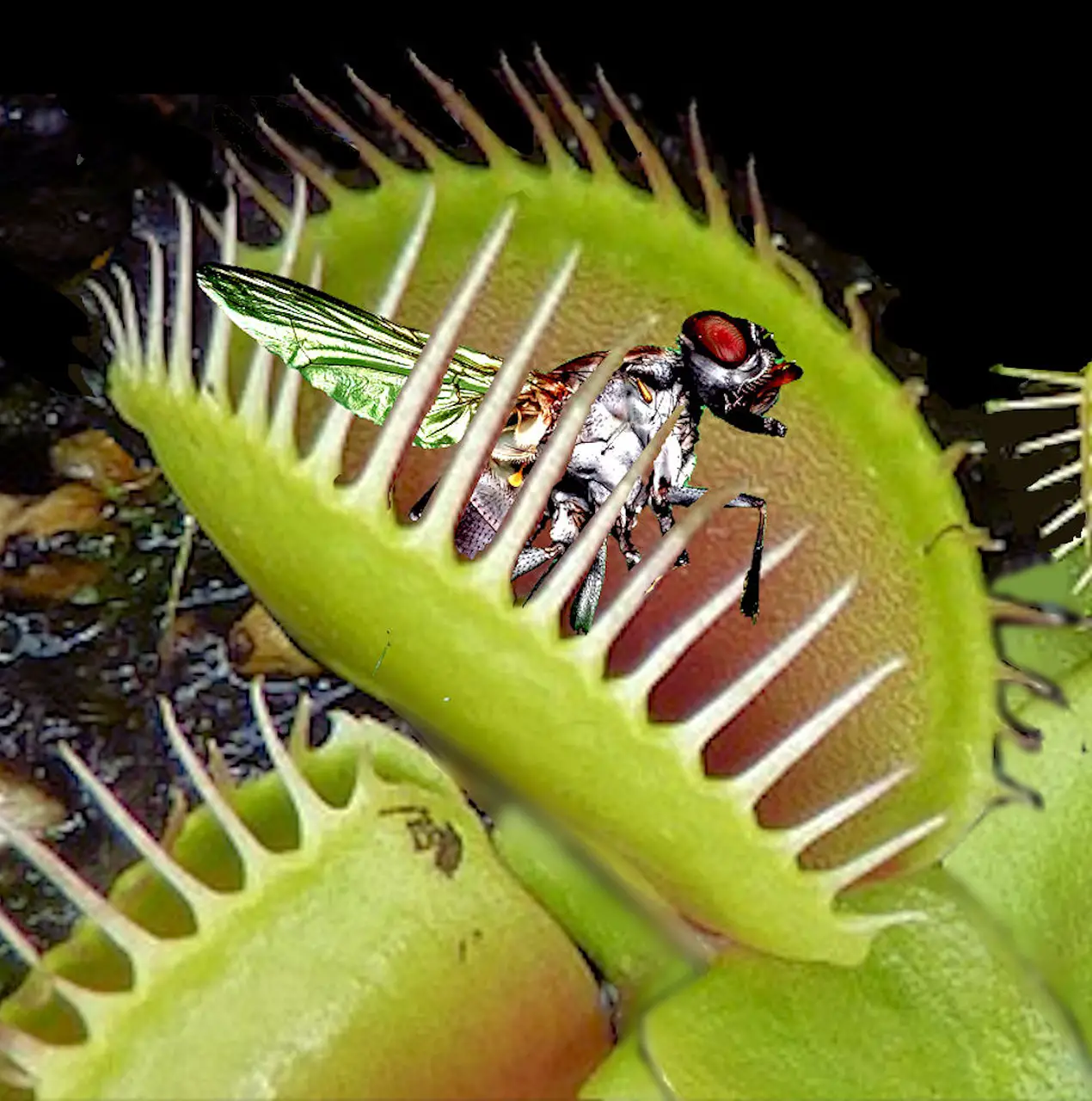
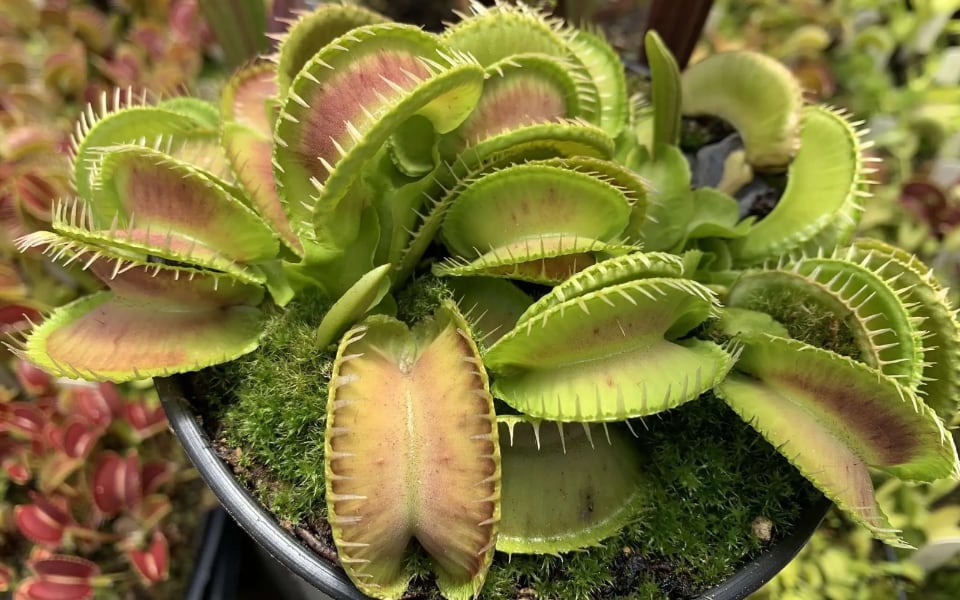
The Venus flytrap is a flowering plant best known for its carnivorous eating habits. The "trap" is made of two hinged lobes at the end of each leaf. On the inner surfaces of the lobes are hair-like projections called trichomes that cause the lobes to snap shut when prey comes in contact with them. This type of movement is called thigmonasty.
Venus flytrap can count prey’s steps to dissolve them alive New Scientist
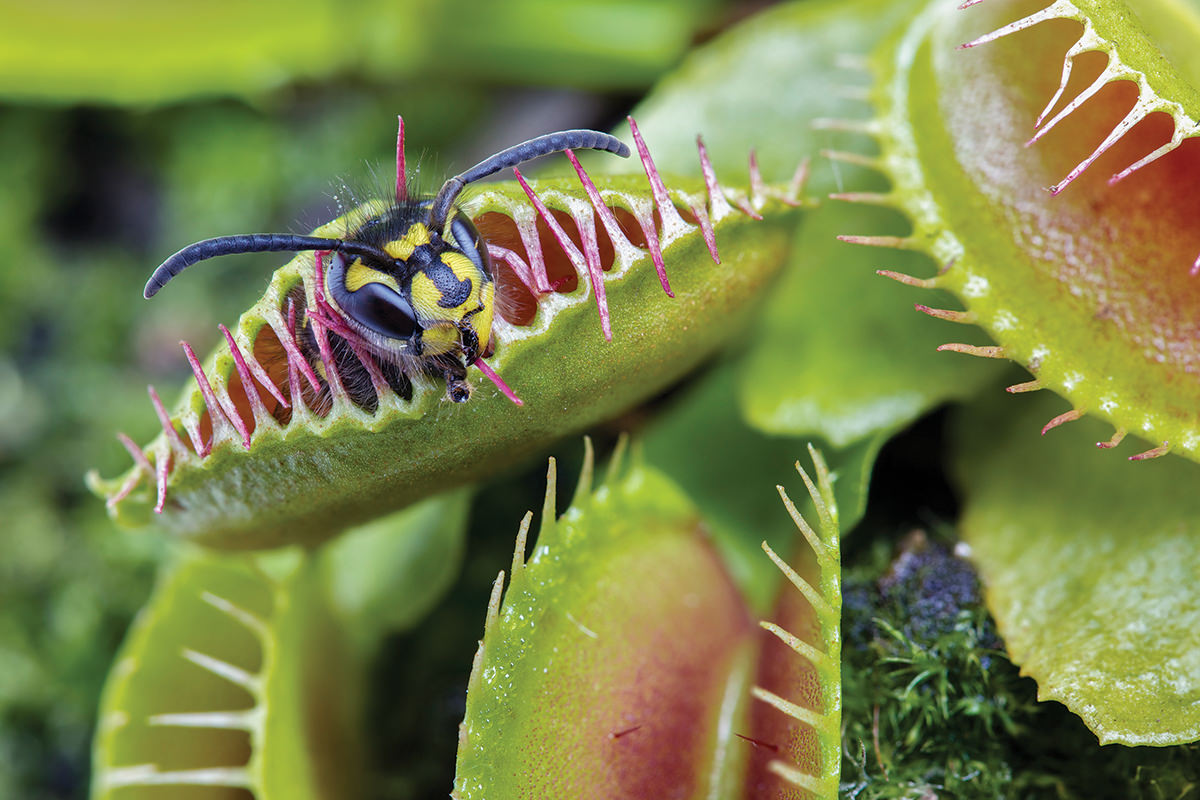
Venus Fly Traps crave sunlight. Position them where they can bask in direct sunlight for at least 4-5 hours a day. This will help them to develop their trap sizes to the max. 2. Use the Right Type of Water for Consistent Moisture. Use distilled, RO, or rainwater and keep the soil moist but not waterlogged.
World's Largest Venus Flytrap world record in Colorado Springs, Colorado
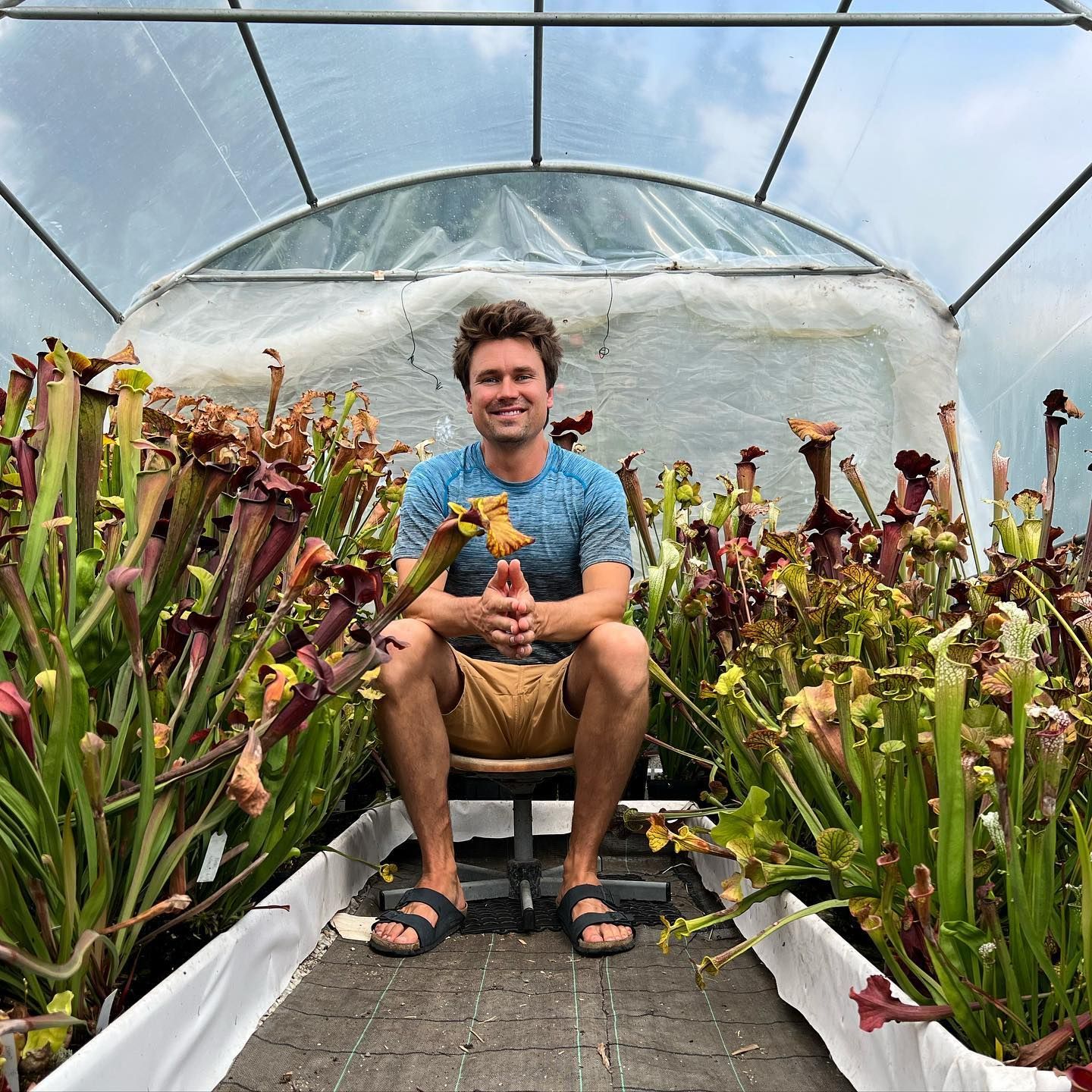
All Venus Flytraps consist of a small rosette of leaves (called petioles), each of which ends in a trap. The traps of adult plants are typically around 2.5 cm in length, but can reach up to 5cm in some of the giant flytrap varieties .
Large Venus Fly Trap Plant

Timeline to Grow Large Venus Fly Trap. If you would like to grow Venus Fly Traps to their adult size, keep in mind the life cycle timeline. It takes 3-4 years for a Venus Fly trap to reach a mature size: a diameter of 5-6 inches and traps that are approximately 1 inch in length. Many plant nurseries sell Venus Fly Traps that are already adults.
Venus flytrap ‘King Henry’ for sale Carnivorous Plant Resource

The Venus flytrap (Dionaea muscipula) is a carnivorous plant native to the temperate and subtropical wetlands of North Carolina and South Carolina, on the East Coast of the United States. Although various modern hybrids have been created in cultivation, D. muscipula is the only species of the monotypic genus Dionaea.It is closely related to the waterwheel plant (Aldrovanda vesiculosa) and the.
“How big can Venus flytraps get?” and other FAQs Tom’s Carnivores
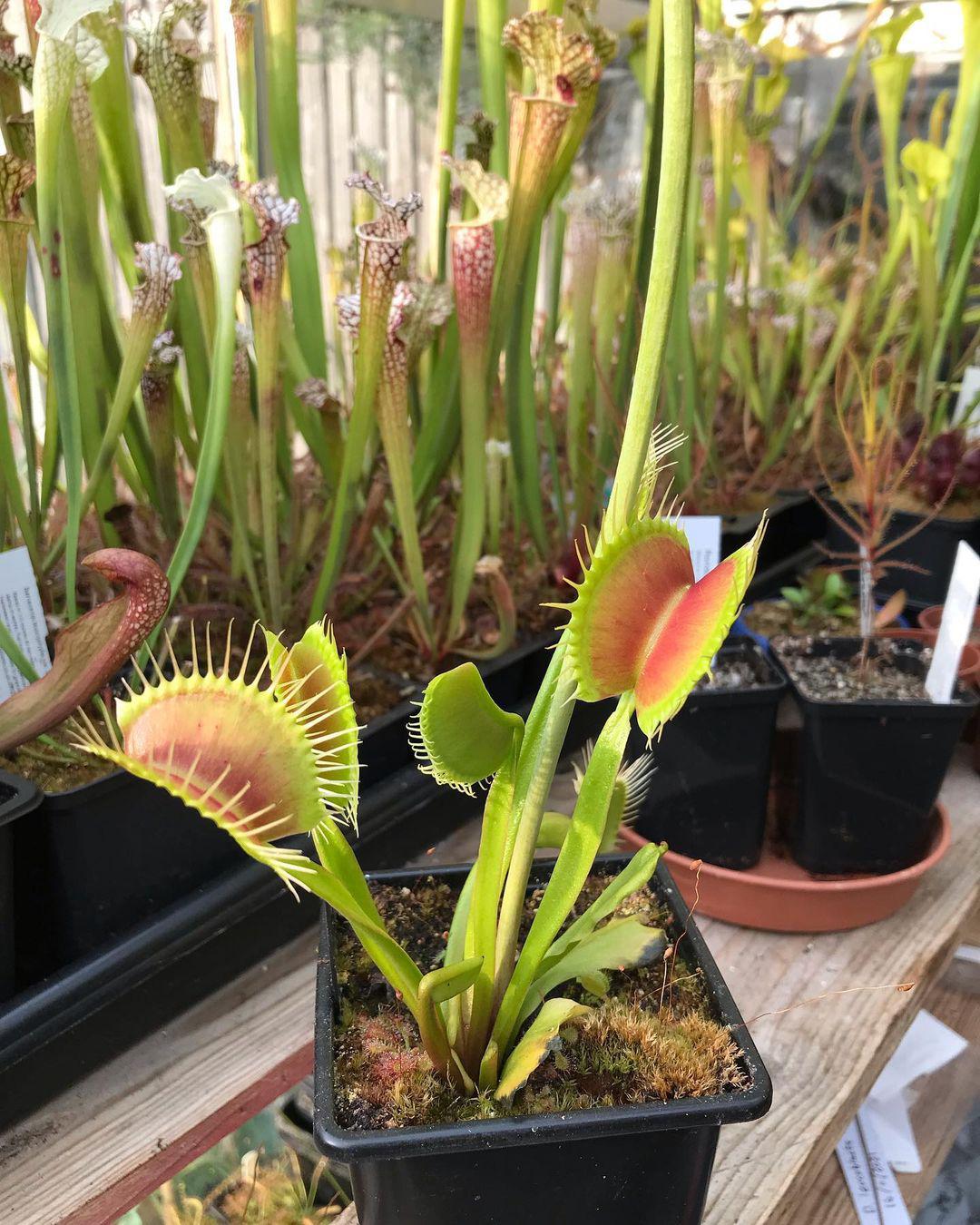
How big do Venus Fly trap get? The B52 Venus Fly Trap clone features traps that can grow more than 2 inches in length or twice the size of a standard Venus Flytrap size. The standard Venus Flytrap will have no difficulty capturing and digesting prey that is approximately a half-inch in length or half the size of its trap. The B-52 becomes quite.
Venus Flytrap Facts For Kids Fun Facts About The Venus Fly Trap We Live A Lot
When you receive a Venus flytrap, pot it in a small, deep pot using a recommended potting medium, such as one-third perlite and two-thirds peat moss. The depth of the pot encourages root growth, as does tray watering, so choose a minimum of a 4-inch-deep pot that has a drainage hole and a tray. Deeper is even better.
“How big can Venus flytraps get?” and other FAQs Tom’s Carnivores
It is better to water Venus fly trap with rainwater than tap water. Set up a rain barrel or leave a container outdoors to collect the rainwater. In the absence of rainwater, use distilled water. Avoid watering from the top of the pot and opt to place your Venus fly trap's pot into a small dish of this water, about 1 cm deep per watering.
Venus Fly traps for sale Canada

The typical form of the Venus flytrap reaches 10-12cm once mature. Bear in mind that's the size of the whole plant - the individual traps measure about 2-3cm. But that's just the tip of the iceberg! The world's biggest flytrap was grown by carnivorous plant legend Jeremiah Harris in Colorado, and measured an enormous 6.1 centimeters (2.4.
Venus flytrap ‘King Henry’ for sale Carnivorous Plant Resource

Dormancy: Venus Fly Traps require a winter dormancy period of about 3-4 months with cooler temperatures (35°F to 50°F or 2°C to 10°C) and reduced light. This is crucial for their health and vigor. Repotting: Repot every 2-3 years in early spring to refresh the soil. Be gentle with the roots to avoid damage.
How to Grow a VENUS FLY TRAP as an Indoor Plant! Venus fly trap, Venus fly trap terrarium, Fly

When the plant reaches 3 to 4 years of age, the traps will again double in size to ½" inch, and the pot will need to be anywhere from 4″ to 5″ inches wide. Finally, the plant reaches maturity after four years, with traps measuring 1″ to 1.5″ inches for the species and as large as 2″ inches for size cultivars, with a container.
Venus fly trap Venus Flytraps Photo (21387494) Fanpop

How Big Can a Venus Fly Trap Get. Size Varies: Typically, traps reach around 5-6 inches in diameter, but growth can vary based on care, environment, and genetics. Remember, patience is key with Venus fly traps. Providing proper care and environment will reward you with a healthy and fascinating plant!
23+ Venus Flytrap Flower, Inspirasi Penting!

Venus fly traps can survive occasional winter temperatures as low as 20°F in the wild, but in a container, they aren't quite as hardy. Winter dormancy temperatures that hover between 50° and 35°F are ideal. If you live in a region where the outdoor temperatures don't drop lower than 30°F, there's no need to move the plant into a.
Venus Fly Trap Information

Venus Flytrap plants can grow as large as approximately 6 inches in diameter, with the average measuring between 4 to 5 inches. Single traps will grow to 1.5 inches in length, usually with single leaves measuring somewhere between 1 to 3 inches. The Venus Flytrap plant can grow to a height of about 12 inches.
Large Venus Fly Trap Plant

Lobster-pot traps. Twisted, tubular chambers lined with hairs and glands: The insects walk in and can't find a way back out. Of course, the Venus flytrap uses a snap trap to catch its prey. Learn more about how it works below. The Venus flytrap: "one of the most wonderful plants in the world." — Charles Darwin in his book Insectivorous.
.